

West Bank in Luxor
The West Bank of Luxor: A Journey to the City of the Dead
While the East Bank represents life and the rising sun, the West Bank of Luxor is the realm of the afterlife. Home to the most famous archaeological sites in the world, this rugged desert landscape hides the golden treasures and brilliantly painted tombs of Egypt’s greatest Pharaohs.
1. The Valley of the Kings (Wadi al-Muluk)
The star attraction of the West Bank. This hidden valley contains over 60 tombs, including those of Ramses II, Seti I, and the world-famous boy king, Tutankhamun. In 2026, visitors can experience advanced 3D scanning displays that explain the intricate carvings and astronomical ceilings without touching the fragile walls.
West Bank in Luxor
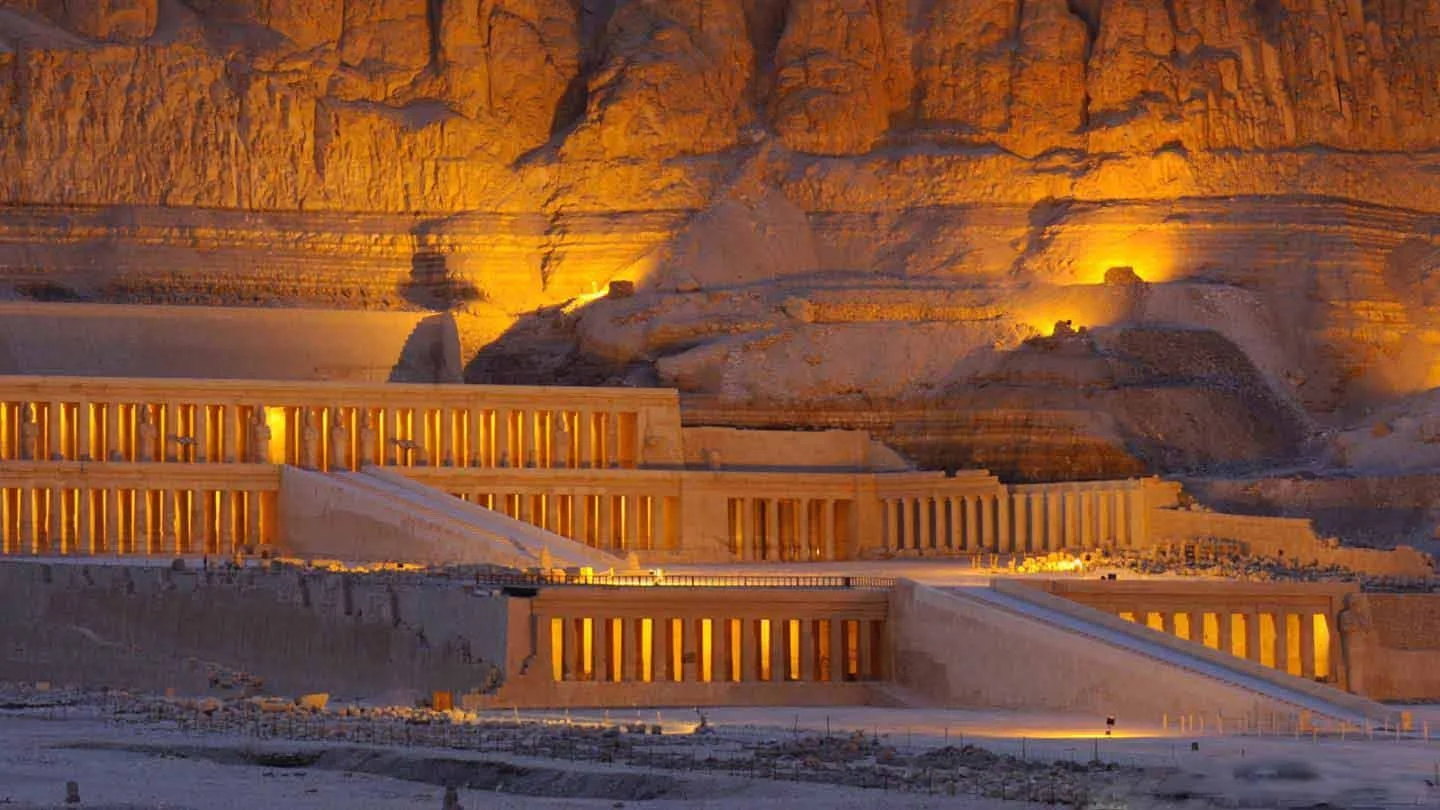
2. The Mortuary Temple of Hatshepsut
Rising out of the desert plain in a series of grand terraces, this temple dedicated to Egypt's most powerful female Pharaoh is a masterpiece of symmetry. It tells the story of her divine birth and the famous expedition to the Land of Punt.
3. The Valley of the Queens & Medinet Habu
- Valley of the Queens: Do not miss the Tomb of Queen Nefertari, widely considered the most beautiful tomb in Egypt due to its incredibly preserved, vibrant colors.
- Medinet Habu: The mortuary temple of Ramses III, known for its massive pylon gates and deep-cut reliefs that depict great battles against the Sea Peoples.
West Bank in Luxor
These two towering stone statues are the first thing you’ll see upon arriving at the West Bank. Standing at 18 meters high, they are all that remains of the once-massive mortuary temple of Amenhotep III.
5. The Nobleman’s Tombs & Deir el-Medina
For a glimpse into everyday life, visit Deir el-Medina, the village of the artisans who built the royal tombs. Their own tombs are smaller but filled with charming, colorful scenes of farming, dancing, and family life.

Comments