

Nubian Village
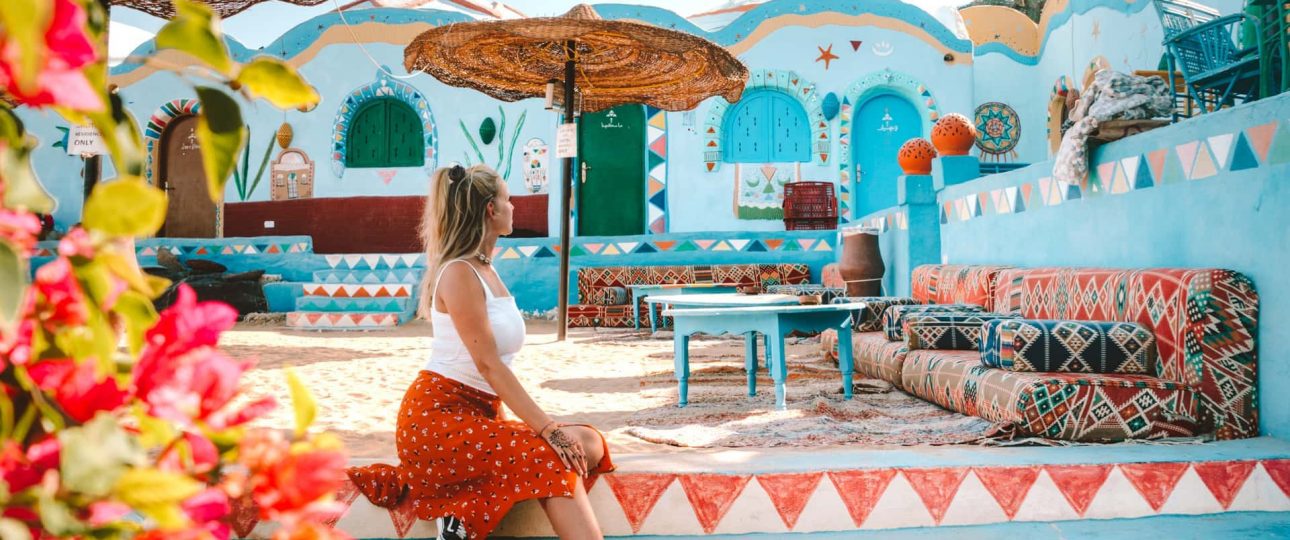
Deep in southern Egypt, where the Sahara sands meet the emerald waters of the Nile, lies the Nubian Village. Known for its kaleidoscope of colors and some of the world’s oldest traditions, this destination is a vibrant living museum that offers a stark, joyful contrast to the stone-colored temples of the north.
A Legacy of Resilience and Color
The Nubians are one of Africa's oldest ethnic groups, with a history spanning over 8,000 years. While many were displaced by the construction of the Aswan High Dam in the 1960s, they successfully preserved their distinct language, music, and culture in villages like Gharb Soheil.
The most striking feature of these villages is the architecture. Houses are built from traditional mud-brick and topped with domed roofs to regulate heat. Walls are painted in brilliant blues, yellows, and pinks, often decorated with geometric patterns and symbolic murals—such as the mummified crocodile above the door, an ancient symbol believed to protect the household from evil.
Nubian Village
Top Experiences in the Village
- The Scenic Arrival: Most visitors reach the village via a 30-to-45-minute motorboat or felucca ride from Aswan, passing through the Nile’s First Cataract and lush botanical islands.
- Nubian Hospitality: It is common for locals to invite visitors into their homes for a cup of Karkadeh (hibiscus tea) or a traditional meal.
- The Bazaar & Crafts: The narrow alleyways are filled with markets selling handmade woven baskets, vibrant spices (like saffron and hibiscus), and unique beaded jewelry.
- Sunset Camel Rides: For a different perspective, many take a camel ride along the riverbanks as the sun sets over the golden dunes.
- Henna Art: Local Nubian women often offer traditional henna tattoos, featuring intricate pharaonic and floral patterns.
Nubian Village
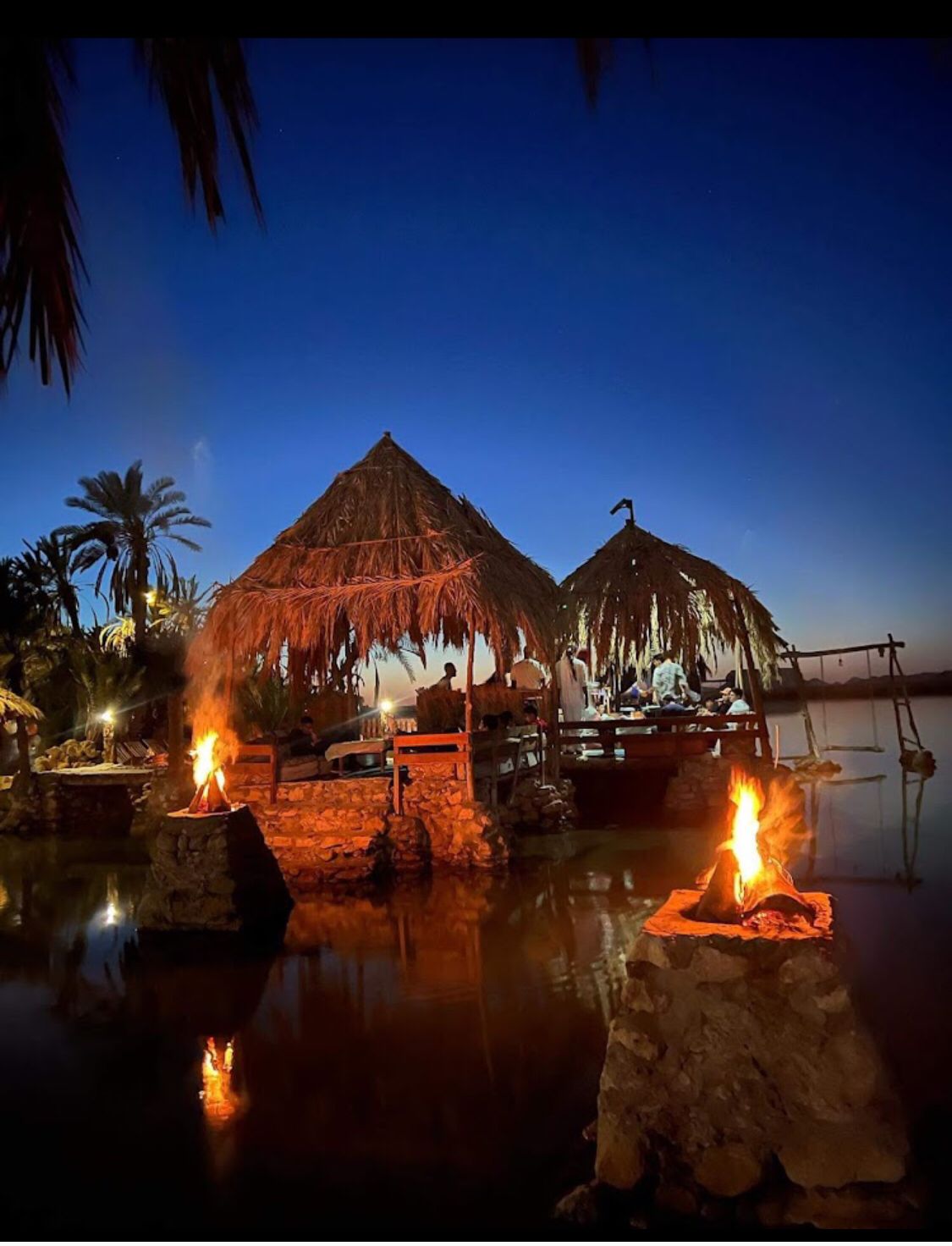
Don’t leave without trying the local cuisine. Popular dishes include Aish Shamsi (sun-baked bread), lentil soups, and flavorful tagines. Many restaurants, such as Nubian Dreams, offer terrace seating with panoramic views of the Nile.

Comments